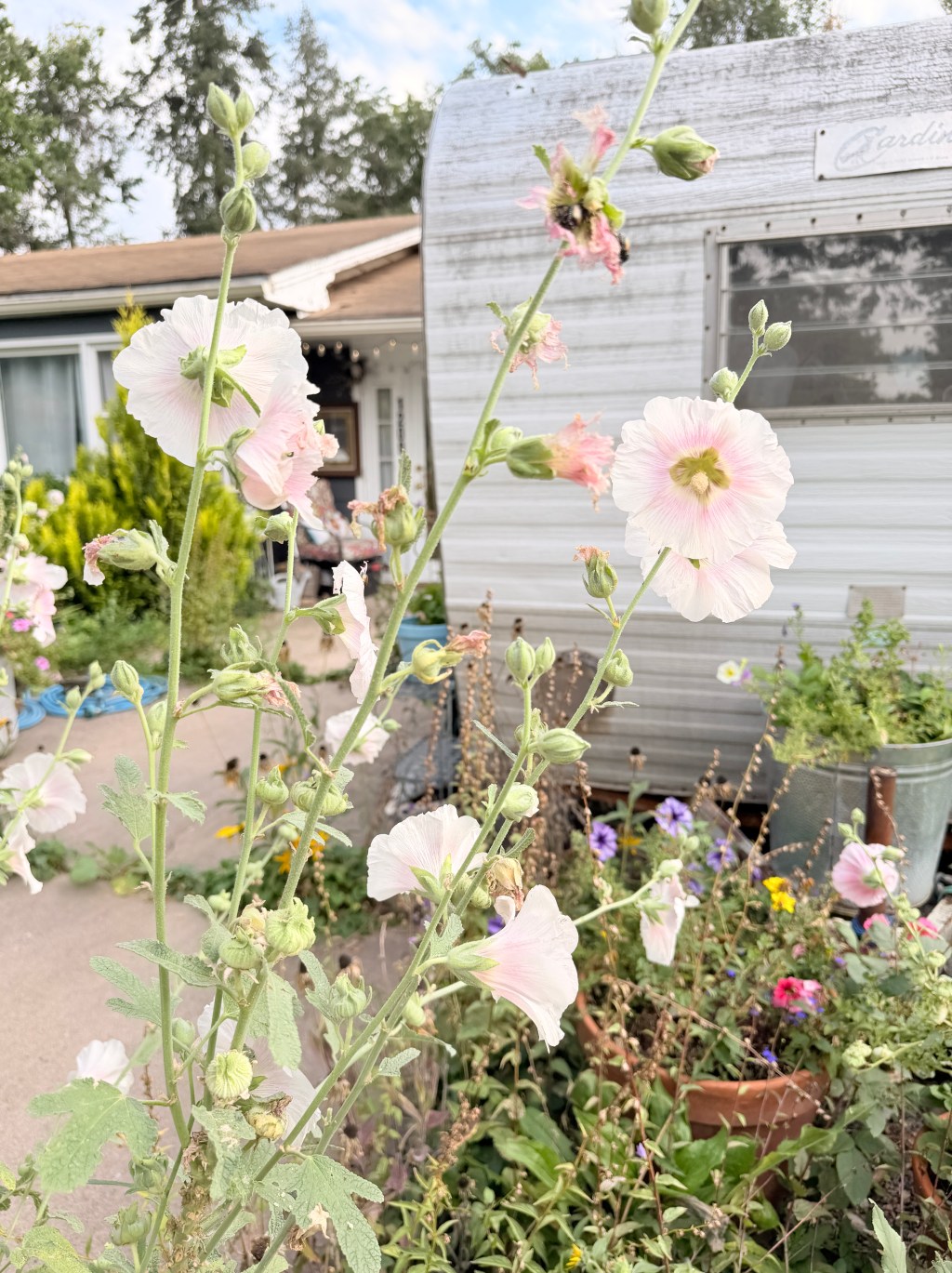
It’s Laurie Jackson’s first day back to work since her mother died a week ago. After a month-long break spent caring for her 85-year-old mom until she passed, Jackson is grateful to be back at The Joyful Poppy, finding solace in arranging flowers.
Lyndsay Whitlock, the design studio’s owner is not herself today. Her six-month-old daughter is on a sleep strike, so she’s not sleeping either. Whitlock still manages to design a cascading bridal bouquet while debating locations for a new, larger studio, updating flower orders and confirming team member schedules.
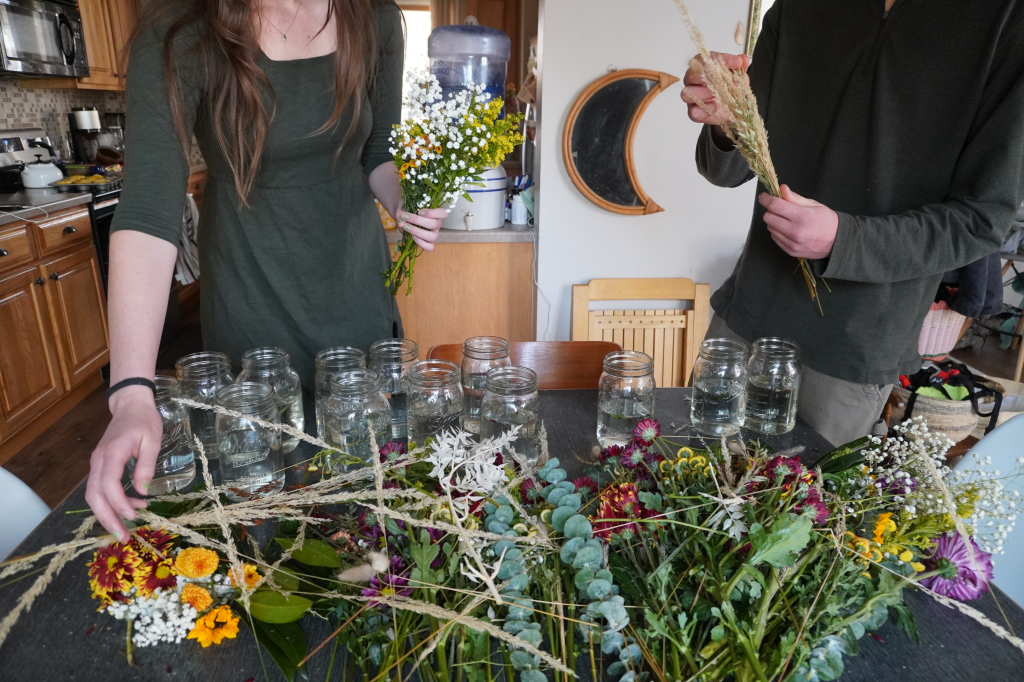
A handful of employees and a couple freelance designers buzz around the studio. They receive and process flowers, coordinate logistics and materials, create the arrangements, consult with clients, clean the shop, load vehicles- helping with just some of the many efforts that keep the weekend’s wedding orders on track for delivery and installation.
A confused, would-be customer pops in the shop hoping for a ready-made bouquet but leaves empty handed because this is an event based studio that doesn’t offer grab-and-go retail. He leaves a little frazzled and there’s speculation that he must have either a newborn baby’s birth to celebrate or an apology to make.
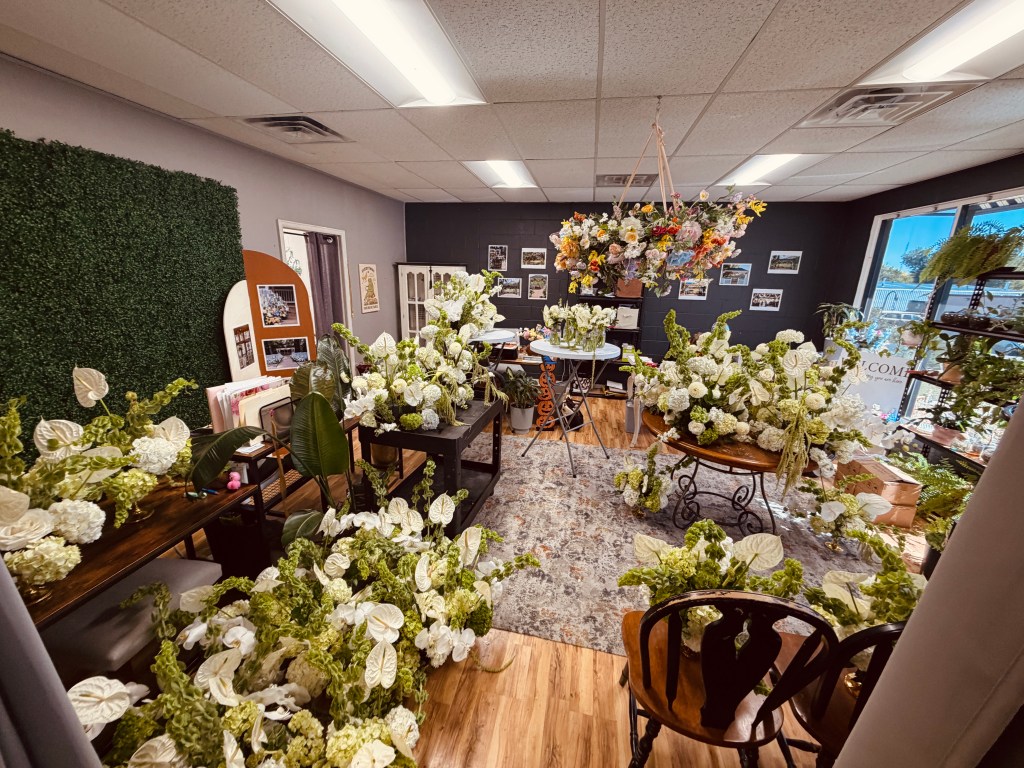
Wedding florals ready for delivery at The Joyful Poppy. Photo by Lauren Morgan
An expected and regular face in the shop, Stevens and Son Wholesale flower delivery driver, Dillon Minor comes in with five or six boxes of bunched stems driven up from the company’s Denver warehouse. Some of the flowers may have been grown there, but most have traveled around the world before arriving at the shop.
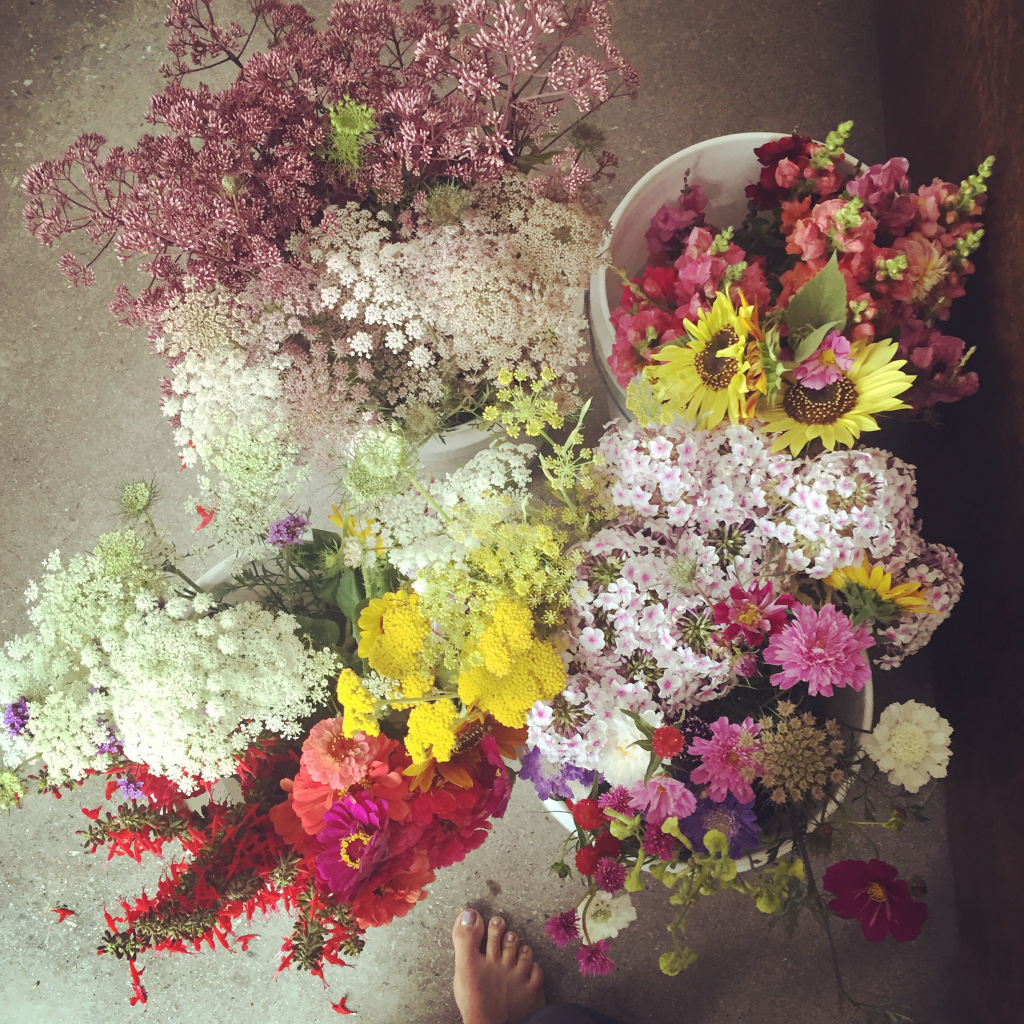
Jaqueline Thain, a local grower and owner of Rue + Pear Flower Co. stops in to drop off fresh from the field, and probably the last of the season’s blooms such as zinnias and dahlias. She’s focused and efficient. Hauling buckets in from her vehicle, she crosses paths briefly with Laurence Wilson, the Operations Manager of The Tapestry House, a local wedding venue. He’s picking up a grouping of bold, neon arrangements that everyone agrees look psychedelic- and sure to be part of a really fun celebration.
This Fort Collins, Colorado situated floral design studio scene, with its revolving cast of characters, each with their own backstories and daily challenges could read like a fresh, smart television series backdrop. One offering us special access to the unfamiliar dimensions of the floral world- an intimate look at the flowers, along with the joys and sorrows they attend to, the artistry and drama of their design, the people who grow, transport, sell, arrange, buy, love and feel loved by receiving them. It’s also a great microcosmic representation of northern Colorado’s flourishing flower economy.
A Community Resource
As opposed to the large-scale commercial system that is the international floral industry, a local flower economy is the smaller, place-based network of people who grow, design, sell and share flowers within a community. Along Colorado’s Front Range, that means cut flower farms and nurseries, retail florists and event designers, farmers markets, educational institutions and public gardens. This ecosystem is just as socially significant as it is commercially, and defined as much by relationships as by transactions.
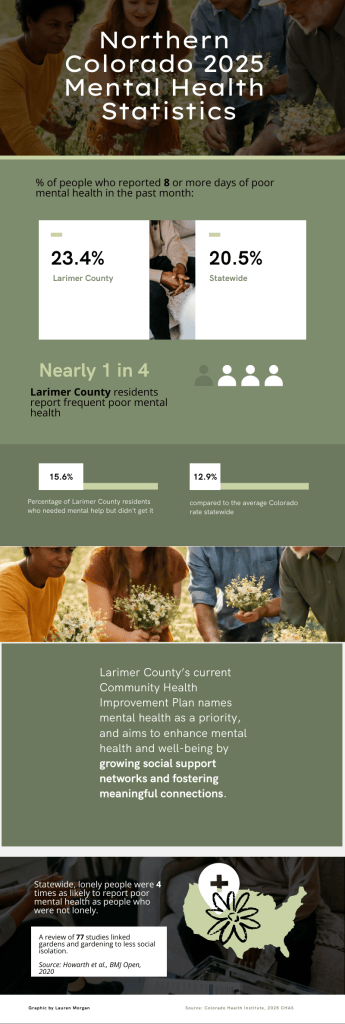
In a year of historic drought and rising supply costs, those connections might be the regional floral economy’s greatest strength. This kind of resilience through connection shines at a time when northern Colorado needs something like it community wide. According to the Colorado Health Access Survey. mental health challenges are a growing public health concern in Colorado and critically in Larimer County where nearly a quarter of residents reported frequent poor mental health. In response, the county’s health improvement plan called for building social support and meaningful connections. By the nature of what it offers, the local flower economy may be well positioned to help meet this goal in a bounty of ways.
Flowers as a Social Prescription
In the spring of 2020, Fort Collins resident Tim Diana started growing flowers from seed in his backyard and in the summer and fall he delivered mason jar bouquets to the reception desks of area medical centers. It was something he wanted to do during what he (and most) considered a hard year. He wasn’t prepared for the overwhelming response though. In the past he had donated surplus vegetables, and although recipients were grateful, their feedback in no way compared to the reactions the flowers elicited. “Everyone surrounded me and started telling me the stories of how it made them feel and how wonderful it is that someone is doing this. You could just feel that this was making a big difference,” Diana said.
The medical staff and residents couldn’t get enough of the flowers. They wrote cards to Diana, one saying “thank you for making my home feel like a home again.” Inspired by this experience, and valuing the mind, body, and soul benefits he was getting from all the gardening, Diana went on to start Pedaling Petals. Today, he and his business partner Heather Hirschi donate over 3,000 blooms every season to the Columbine Health Systems while focusing their sales of dahlia tubers and cuttings, zinnia seeds, and peony roots towards the collector market. This decision to specialize in selling the source of the flowers, instead of the flowers themselves wasn’t financially motivated, Diana explained. “We’re focused on the feelings. We want everyone to grow these blooms because the benefits are that powerful.”
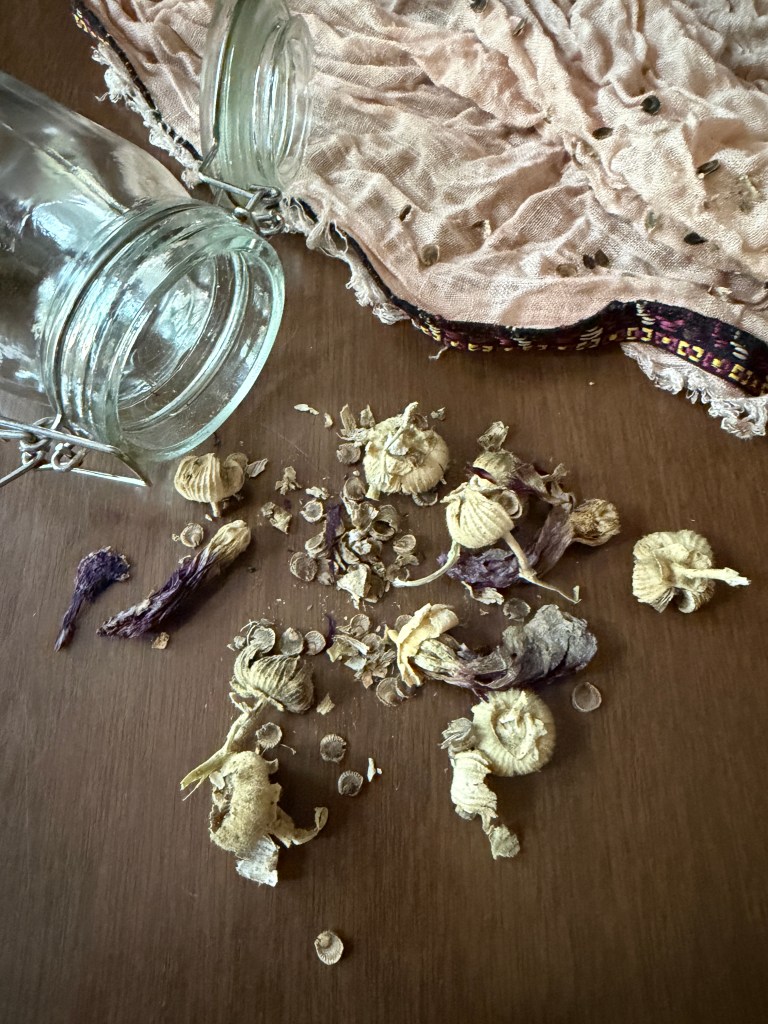
Diana’s sentiments echo what a growing body of research suggests. First, that gardening, or simply interacting with plants can improve mental and physical well-being- including improvements in cognitive abilities, mental health, better stress recovery, and better community health outcomes. And secondly, that receiving and spending time around flowers triggers immediate boosts in happiness along with reductions in anxiety.
Pedaling Petals and Columbine Health Systems are paired in exactly the kind of wellness partnership Larimer County is looking to “prescribe” for strengthening community health. “The Power of Social Prescribing” was the theme of CHIP’s annual event held this February. According to the county’s plan, social prescribing is a simple but powerful way to connect patients to non-clinical supports in the community, such as social groups, physical activity, arts and culture, volunteering, nature, food access, or other local resources that strengthen connection and belonging.
In outlining its core priority areas alongside its key initiatives and strategies, the CHIP event emphasized that strong social ties are linked to better mental and physical health, improved chronic disease management, and reduced loneliness, an increasingly recognized risk factor for poor health outcomes. Although the local flower economy was not specifically identified as a source for expanded community wellness programming, it is already acting as one.
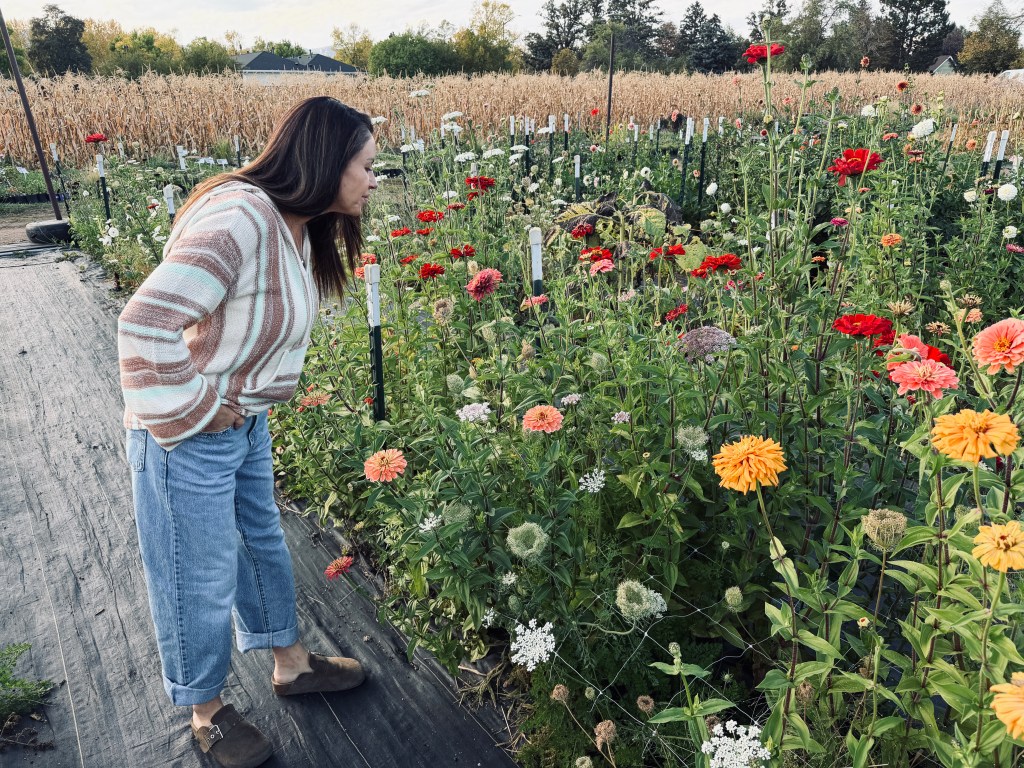
Abbi Camarillo is always looking for inspiring field trip destinations for her clients with intellectual and developmental disabilities. As community outreach coordinator for Creatively Helping Individuals Live and Learn, a human services provider, Camarillo was thrilled to connect with Bob Miller, owner of On the Vine at Richmond Farms, and his wife, Debi Miller, who runs The Farmer’s Wife Flowers on the same property. Camarillo found the farmers to be kind and accommodating and their fields of corn, pumpkins, and flowers uplifting for the group who visited. She appreciated the focused engagement and the connections participants made with individual flowers. “I definitely notice that time spent outdoors, and particularly in gardens, leads to calmer days for our clients,” Camarillo said.
Beyond the wellness experiences Diana and the Millers offer locally, partnership models across the country are connecting people who need support with the comfort of flowers. These programs take many forms, including donated or repurposed bouquets for people facing isolation, paid skills training, trauma-informed workshops and consulting from trained horticultural staff.
Random Acts of Flowers is a nonprofit organization that collects flowers that would otherwise be thrown away and turns them into bouquets for people in healthcare facilities.
Floraloom Studio is a Kansas City, Missouri, flower studio that runs a floral design program offering jobs and entrepreneurial skills to women from crisis backgrounds, including survivors of domestic violence.
Southside Blooms is a Chicago nonprofit that turns vacant lots into flower farms and employs at-risk young people ages 16 to 25, training them to grow, arrange and sell flowers.
The Veterans Farm Program at Denver Botanic Gardens’ Chatfield Farms uses horticulture to support the vocational, social, physical and therapeutic goals of post-9/11 military veterans.
Some of these programs also tackle a growing problem in the floral industry: waste. ReBloom SD, for example, rescues flowers from events, florists and retailers that would otherwise be thrown away.
Growing Forward
Back at The Joyful Poppy, Minor, the wholesale driver, stacks empty boxes by the door. He feels positively affected by spending time with flowers, mostly he said, because he enjoys delivering them and seeing the happiness they bring to others. He also sees the behind-the-scenes reality and disappointment of wasted flowers at the wholesale level. “I see them go in the trash, I see them not get used, so my relationship with [flowers] isn’t always happiness.”
Both Thain and Whitlock share those frustrations on the designer level when it comes to managing floral waste. Wedding flowers are occasionally donated by the customers post-event, sometimes preserved through drying and pressing, but most often they’re thrown out by the florists or the venue when the celebration is over.
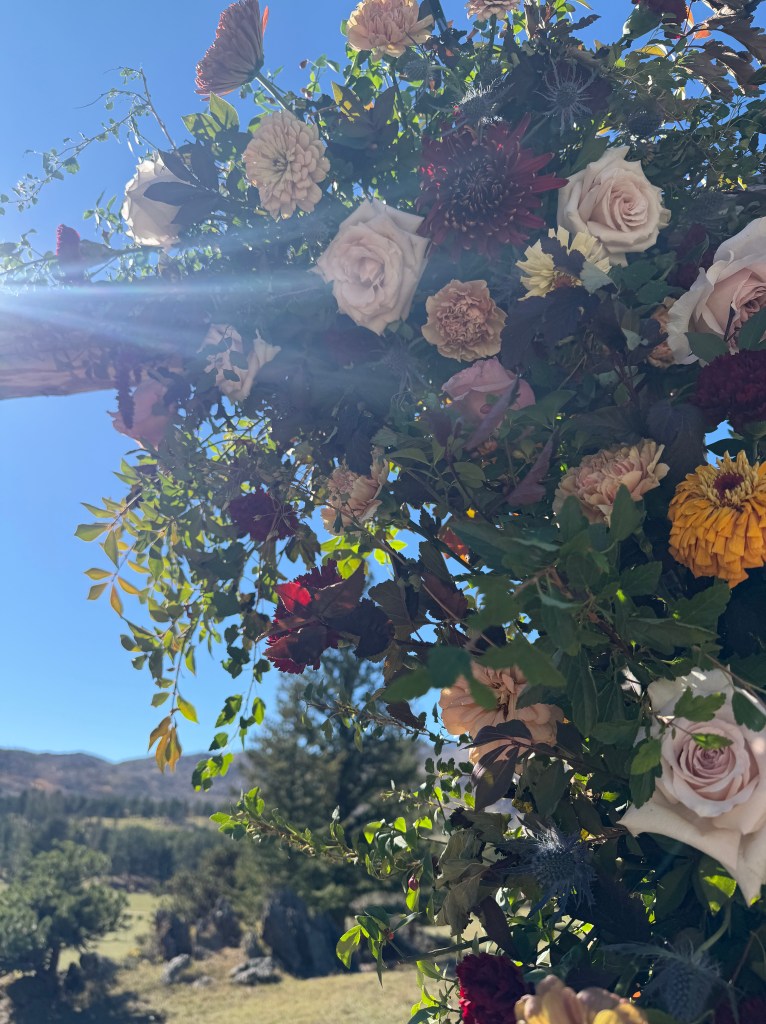
On some occasions Thain has had clients interested in donating their florals after their event. It’s a special service she’s happy to offer and honor but it requires a considerable amount of additional work, time and coordination. Rue + Pear Flower Co. is a small business, mostly just Thain and one helper, so managing the logistics of repurposing event flowers on a regular basis feels like too much of a stretch, Thain said. She would like to focus on it more next season as she looks to expand her crew and streamline her workflows.
For Whitlock, the idea of recycling flowers within the community has been on her mind for years. Like Thain, she’s made intermittent efforts to avoid floral waste while bringing joy to others through donations of leftover stems to area senior centers. Sharing the same staffing and time constraints as Thain, designing a regular repurposing program has proven challenging for Whitlock though.
“I’ve always wanted to give back,” Whitlock said. She believes that with the right volunteer-driven model along with organizational support of some kind, she could make a commitment to do so. She’s inspired by the layered benefits of programs like Random Acts of Flowers and We Are Perennials, a nonprofit based in Basalt, Colorado, that offers free floral design workshops for survivors of domestic violence and people facing addiction or mental health challenges. She would love to take part in something similar locally, she said.
With volunteers, partners and coordination, the region’s flower economy could become a steady source of the social prescriptions Larimer County is seeking, with benefits running both ways. Research and the people in this story suggest flowers can help those who tend them and those who simply spend time in their presence.
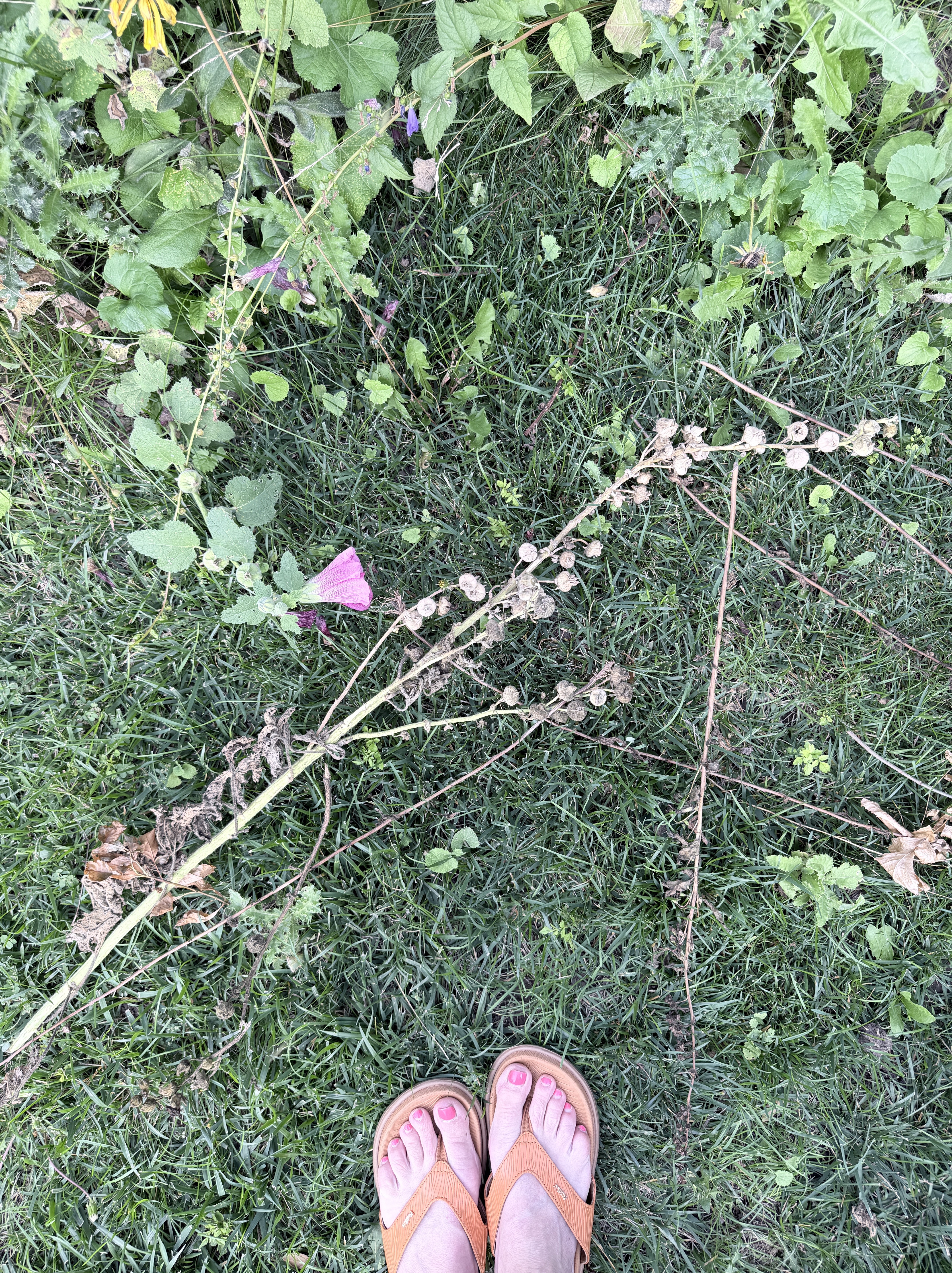
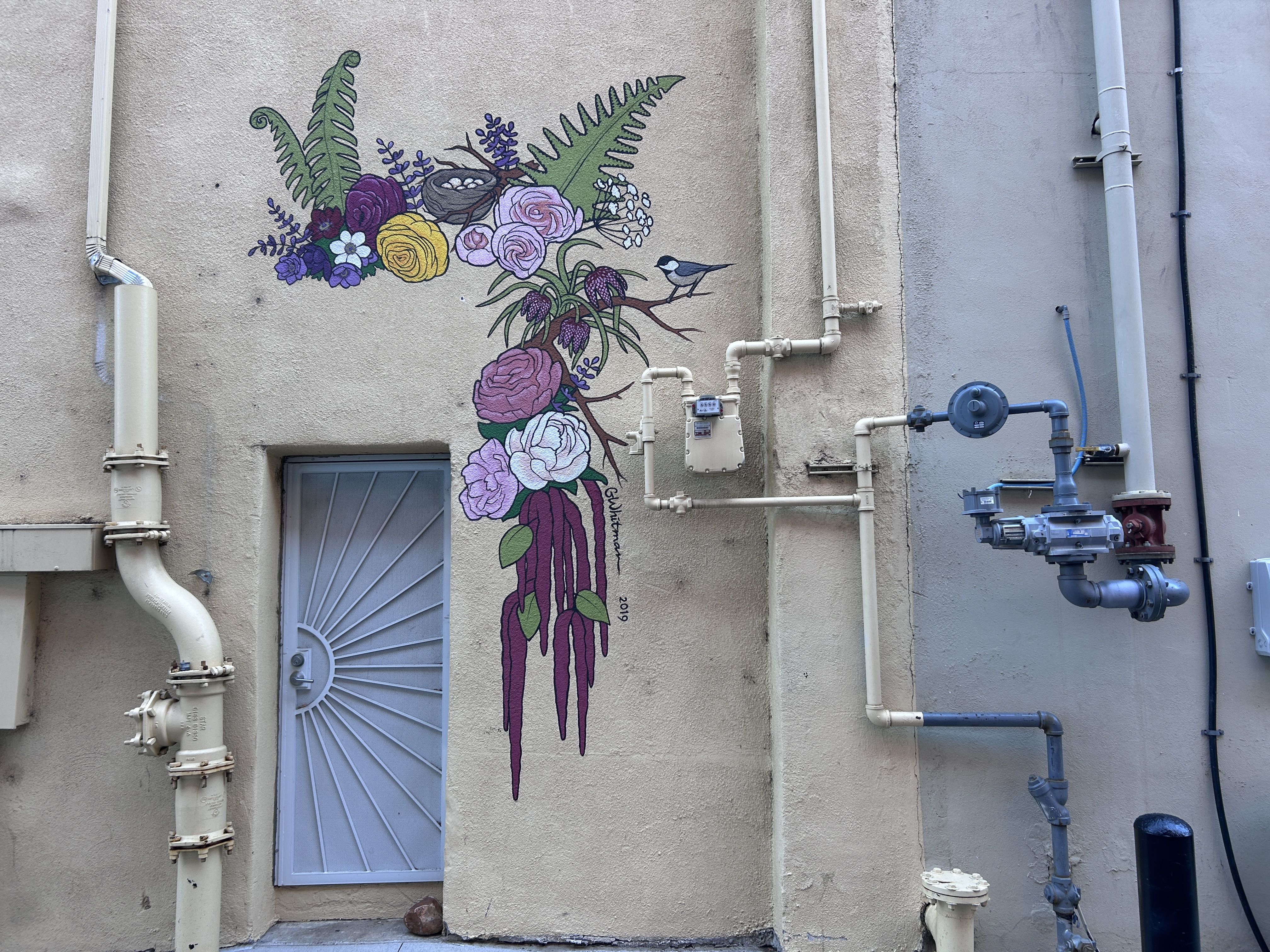
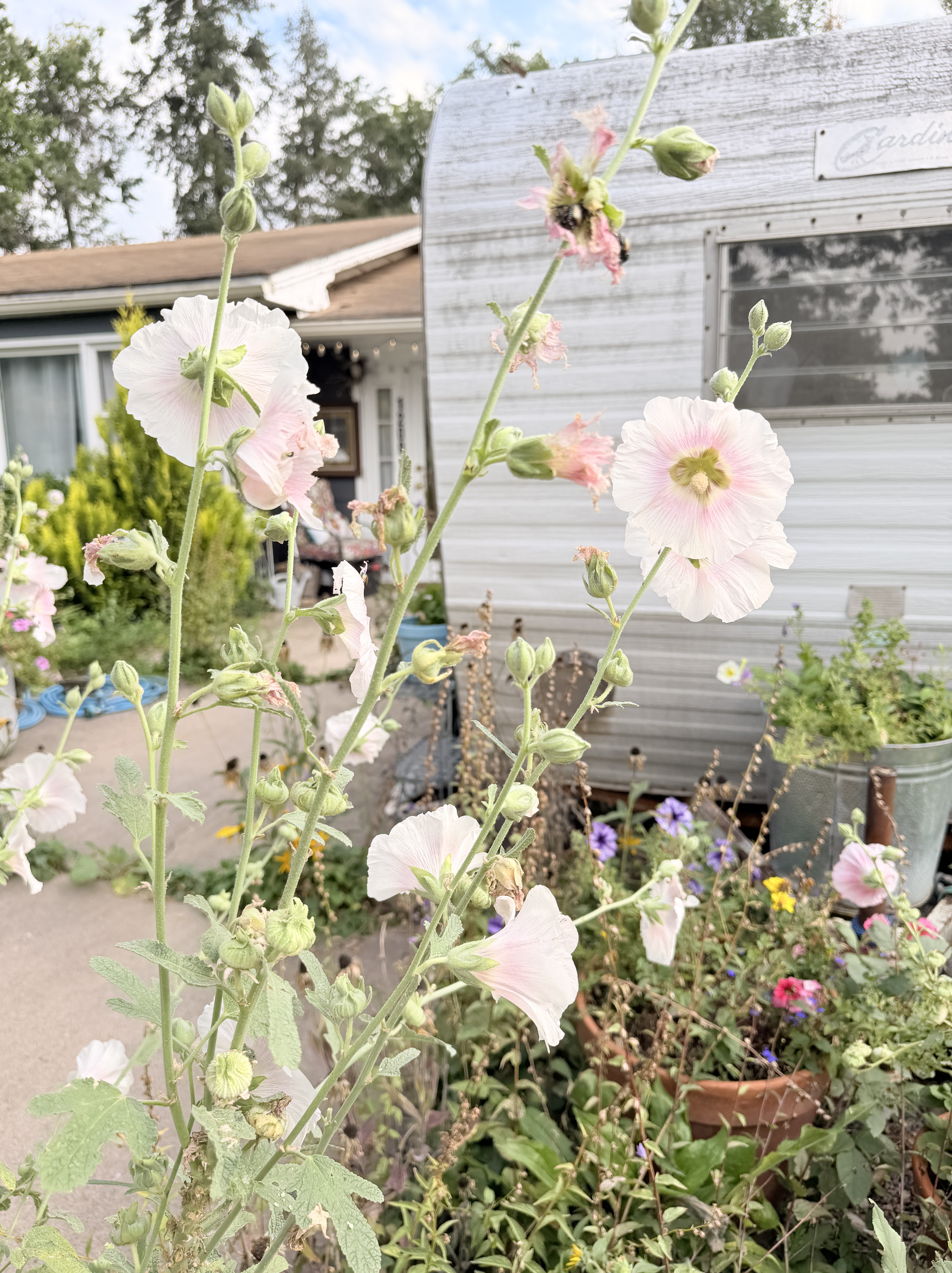
See more on the project’s Pinterest board. Photos by Lauren Morgan
Lauren Morgan is a floral and garden designer in northern Colorado. Her graduate reporting on the region’s floral and botanical community deepened her interest in starting a nonprofit that connects local flowers with community wellness programs.


Leave a Reply