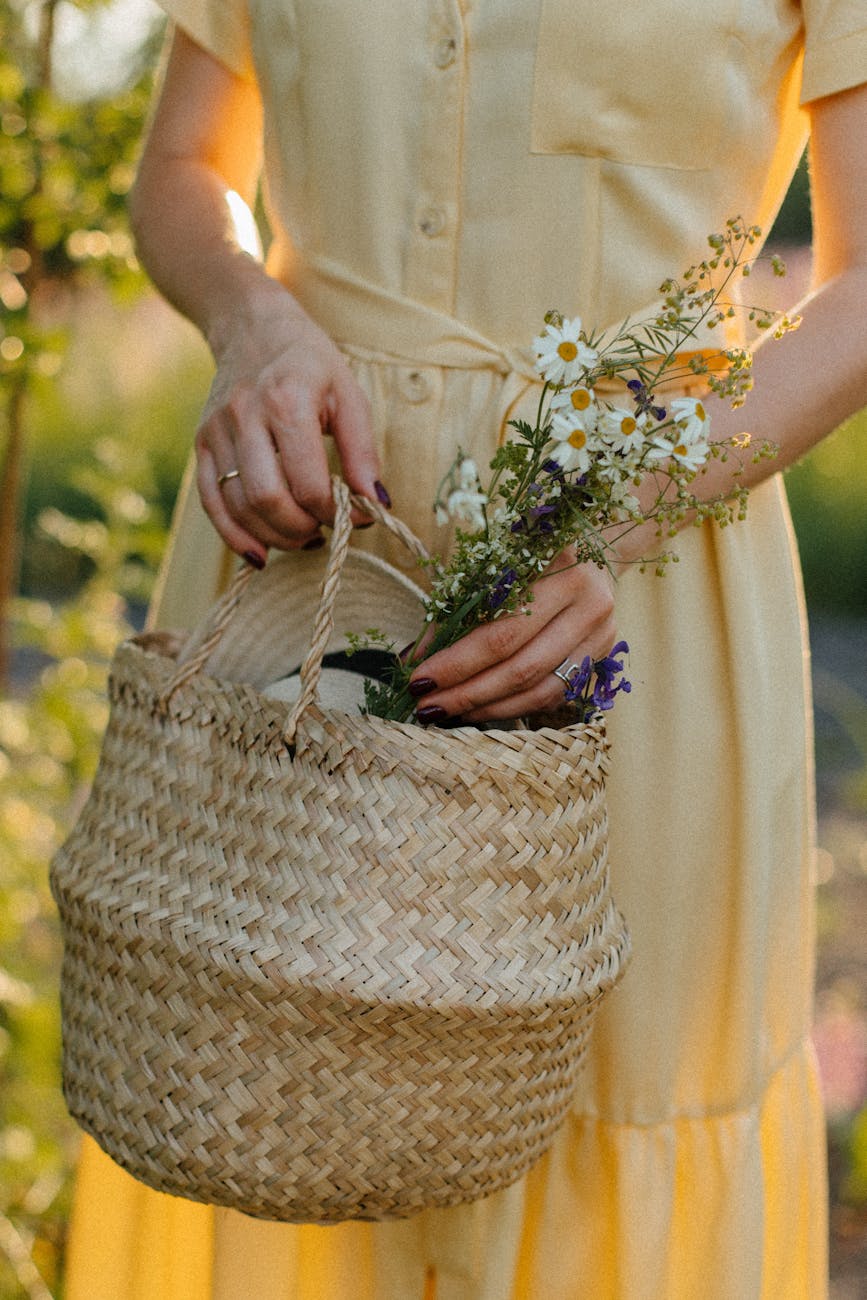
Also known as Kadō, or the “way of flowers” ikebana is the centuries-old Japanese art of flower arrangement. Its origins date back to the sixth century when Chinese monks introduced Buddhism to Japan, and with it the practice of offering simple altar flowers for worship and ceremony. This practice evolved over time into the more formalized art of ikebana with its countless codified schools, techniques and grandmasters.
Traditional Ikebana style centers on a handful of core design and spiritual principles: it embraces seasonality, using materials that reflect the current moment in nature and celebrating impermanence. Its compositions emphasize negative space, asymmetry and balance, are often built around three lines symbolizing heaven, humanity, and earth. Ikebana arrangements seek harmony, balance, and quiet.
Kiev Kirby doesn’t want you to worry too much about what ikebana is supposed to be though. Kirby, an antique dealer and collector who calls himself and his business the Wabi Sabi Hobo, became an ikebana enthusiast when he started collecting hanakago, the Japanese baskets used to gather and display Ikebana floral material.
The botanical art form and the baskets are both intriguing to Kirby as they uphold his namesake principle of wabi-sabi which appreciates simplicity, imperfection, and the quiet beauty of natural materials.
This is what Kirby invites us to consider as we step into our backyards looking for ikebana inspiration this fall. “People can feel overwhelmed with the historical and formal rules of ikebana.” Kirby fears. “In our modern times, filled with so much stress and concern, ikebana is accessible to anyone who loves beauty.” Kirby recommends avoiding complexity when heading outdoors to gather material. Instead he hopes we feel inspired by the simplicity of going into our yards to “find a twig, a a spray of leaves, and a little flower” to engage with the essence of ikebana.

The traditional considerations of ikebana are meant to guide the artist toward deep meditation and expression, but to newcomers, the precise rules and structured forms might feel rigid or limiting.
Some ideas for how to celebrate backyard ikebana:
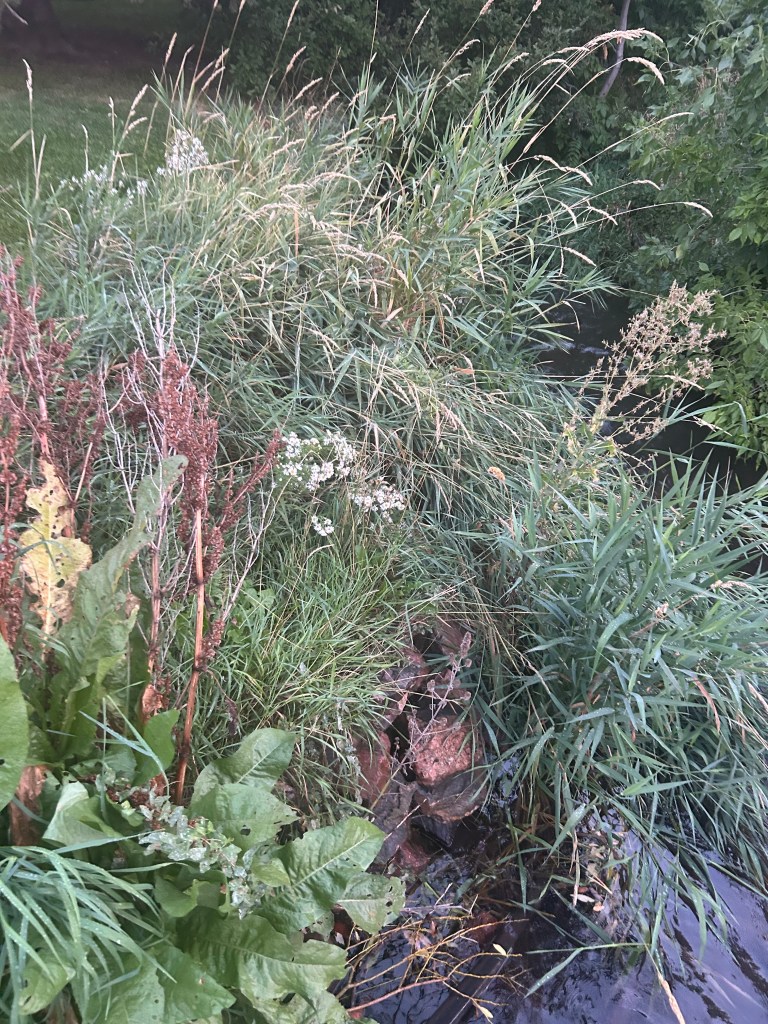
All of these combine into a meditative practice that exists not only as a decorative art but as a personal expression of harmony with nature.
 The Flower Press
Leave a comment